
Sherman Oaks homeowners light their fireplaces dozens of times each winter season, and with each fire, something changes inside the flue that is completely invisible from the outside. Creosote deposits advance from Stage 1 to Stage 2 to the dangerous glazed Stage 3. Clay tile liners develop hairline cracks that widen with every thermal cycle. Mortar joints in the smoke chamber erode. Wildlife find their way past damaged caps and build nests that block airflow. Carbon monoxide pathways open where they were previously sealed. None of these changes announce themselves with smoke, odor, or visible damage — they develop silently, gradually, and then all at once when a chimney fire ignites or a CO detector triggers at 2 in the morning. The annual chimney inspection required by NFPA Standard 211 exists precisely because these hazards are invisible until it is too late to do anything about them cheaply.
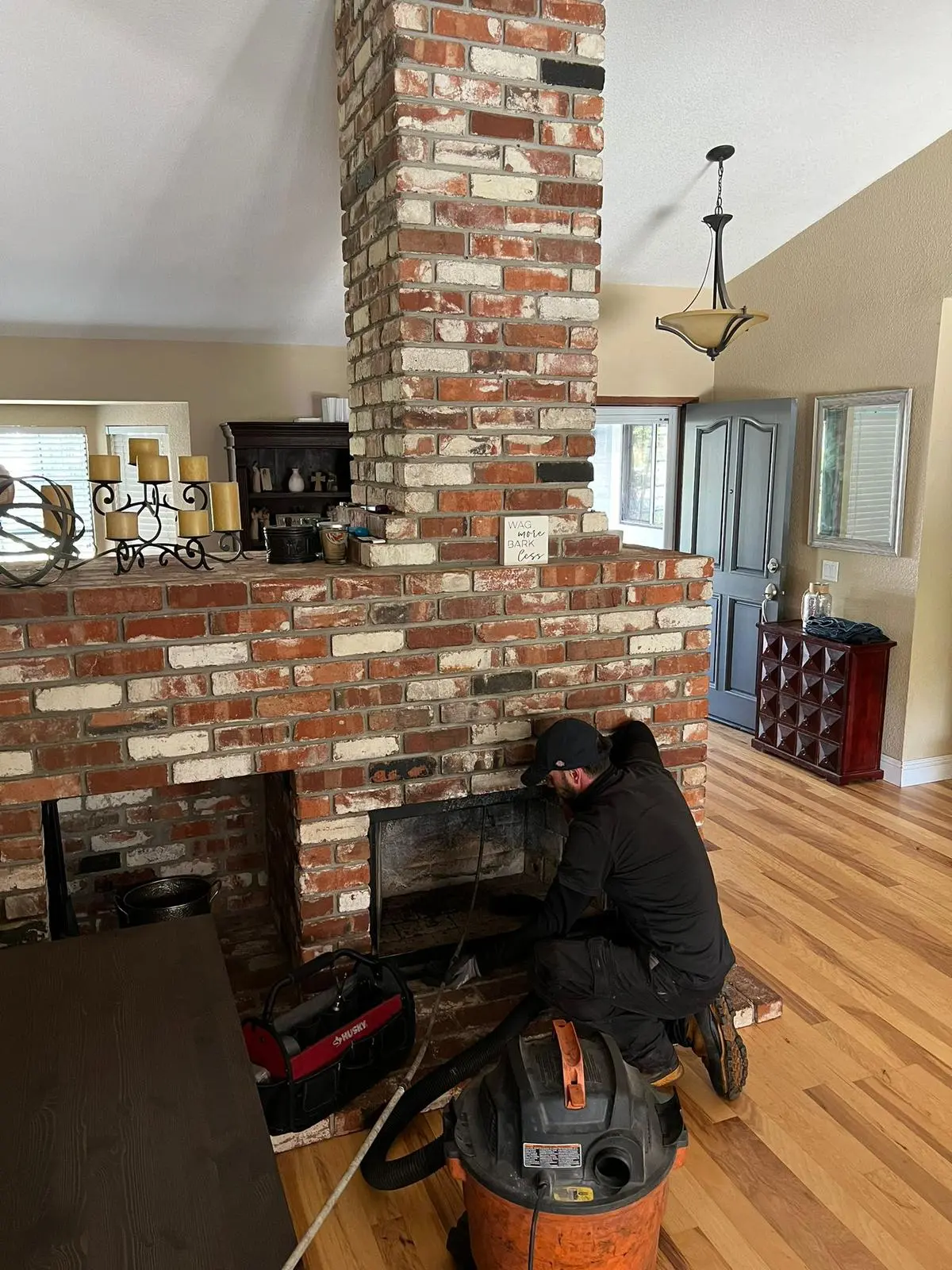
The Chimney Guys INC performs CSIA-certified Level I and Level II chimney inspections throughout Sherman Oaks, Encino, Studio City, Van Nuys, Burbank, and all of the San Fernando Valley. Every inspection is performed by a certified technician, documented with photographs, and completed with a written condition report you receive before we leave your property. If we find issues, we explain them clearly and honestly — we will never exaggerate a finding or recommend unnecessary work.
Level I vs Level II Chimney Inspection — What Sherman Oaks Homeowners Need to Know
NFPA 211 defines three levels of chimney inspection based on the circumstances and history of the chimney system. A Level I inspection is the minimum recommended for any chimney that is in continued regular service with no changes to the system. It includes a visual inspection of all accessible portions of the chimney exterior, interior, and accessible portions of the appliance and chimney connection. This is what most homeowners should be scheduling annually. A Level II inspection is required when any change is made to the system — a new appliance, a fuel change, a rebuilding of any portion of the chimney — and is also required when the property is transferred through sale or purchase. Level II includes everything in Level I plus camera scanning of the entire flue interior. A Level III inspection involves destructive access to concealed areas and is only performed when Levels I and II suggest a serious hazard that cannot be confirmed without opening walls or removing components.
What We Look For During a Chimney Inspection in Sherman Oaks
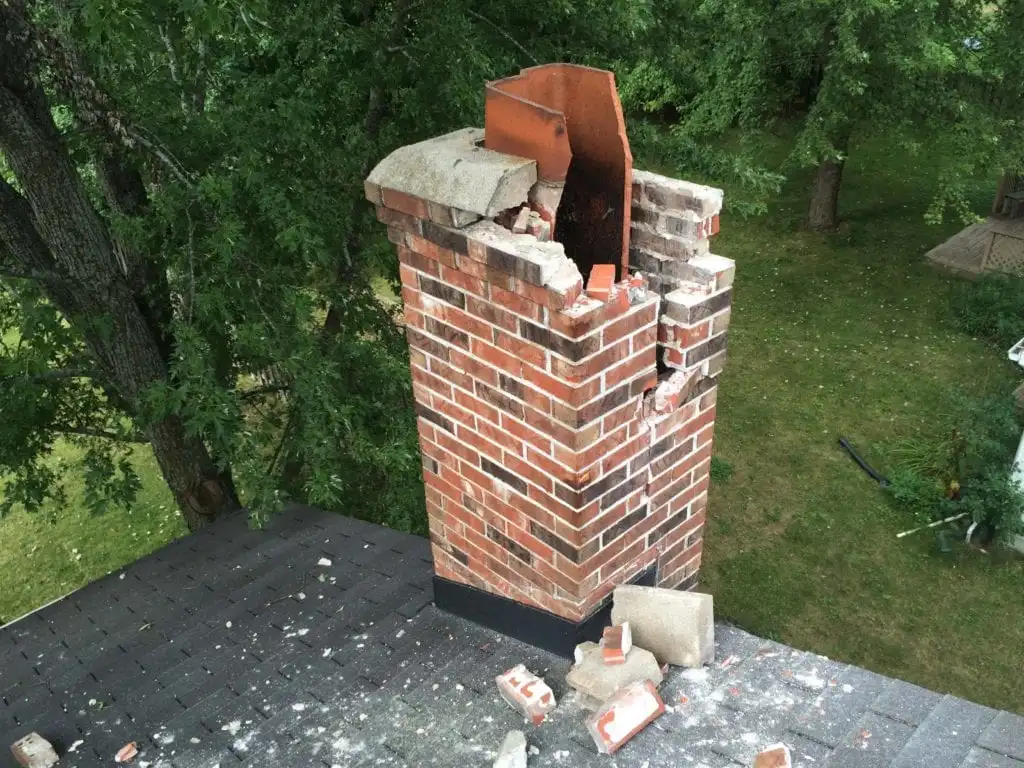
Our inspection process covers every component of your chimney system from the firebox floor to the cap at the top of the flue. In the firebox, we examine the refractory panels and firebrick for cracks, spalling, and heat damage, check the damper for proper operation and seal, and inspect the smoke shelf for debris accumulation and water damage. In the smoke chamber, we look for deteriorated mortar, corbelled brick damage, and evidence of water infiltration. In the flue, we look for creosote staging, liner integrity, joint separation in clay tile systems, and any obstructions from debris or nesting material. On the exterior, we examine the chimney crown for cracks and deterioration, inspect the flashing and counterflashing for separation and rust, check the cap for damage and proper screening, and assess the visible exterior masonry for spalling, efflorescence, and mortar joint erosion. Every finding is documented in writing with photographs before we leave.
Carbon Monoxide and Chimney Inspection — A Critical Connection
Most homeowners associate chimney inspections with fire prevention — and that association is correct. But chimney inspections are equally critical for carbon monoxide safety, and this connection is less well understood. CO is produced by every combustion appliance in your home, including your fireplace, gas furnace, water heater, and range. These appliances are designed to exhaust CO safely through dedicated venting systems. When those venting systems develop cracks, blockages, or negative pressure conditions, CO can migrate into living spaces at concentrations that cause headaches, nausea, cognitive impairment, and, at high enough concentrations, death during sleep. A blocked or cracked chimney liner, a bird nest in the flue of a gas appliance, or a negative pressure condition caused by a too-tight home can all create CO intrusion conditions. Our inspections specifically assess CO risk factors alongside the standard fire hazard checks.
How Often Should Sherman Oaks Homeowners Schedule a Chimney Inspection?
The answer from NFPA 211 is unambiguous: at minimum once per year for any chimney in regular use. The CSIA adds that even chimneys used infrequently — fewer than five fires per year — should be inspected annually, because water damage, wildlife intrusion, and masonry deterioration occur independently of use. Sherman Oaks homeowners who are buying or selling a home should specifically request a Level II inspection, which satisfies the requirements of most lenders and provides the detailed documentation needed for real estate transactions. Any homeowner who has experienced a chimney fire — even a small one — should schedule an immediate Level II inspection before using the fireplace again.
Schedule Your Chimney Inspection in Sherman Oaks
The Chimney Guys INC offers Level I and Level II chimney inspections throughout Sherman Oaks, the San Fernando Valley, and greater Los Angeles. We are available seven days a week with same-day and next-day appointments, and we are reachable 24 hours a day for urgent situations. Our inspection reports are detailed, photographic, and delivered to you before we leave your property. Call us at (818) 867-4155 or book online today.